





DHP Electric Chain Hoist
At the core of the electric chain hoist's operation is the electric motor, which initiates the lifting process. When the operator commands the hoist to lift a load via the control pendant, the electric motor springs to life. It draws electrical energy, which it converts into mechanical energy. This conversion is crucial for the ensuing steps of the lifting process.

- Product Introduction
Henan Zhongzao Industry Co., Ltd has a registered capital of 10 million yuan, which is located in Changyuan City, Henan Province, and we are professional manufacturer and seller of crane accessories.Our main products include crane spreader, crane hook sets, pulley sets, rolling pulleys etc.The company covers an area of 9600 square meters and has R & D technical team with rich practical experience and strong development ability.
Why Choose Us
Technical team
We have 6 professional engineers and a R&D technical team with rich practical experience and strong development capabilities.
Advanced equipment
The company has a complete manufacturing process and tooling for crane parts and 52 sets of processing equipment. It can produce Φ200mm-Φ2000mm ring forged pulleys, rolled pulleys, forged pulleys and other pulley sets and pulley specifications.
Rich experience
The company was established in 2012 and has more than 10 years of production experience and 5 years of export experience.
Our certificate
ISO9001, ISO4001, ISO45001
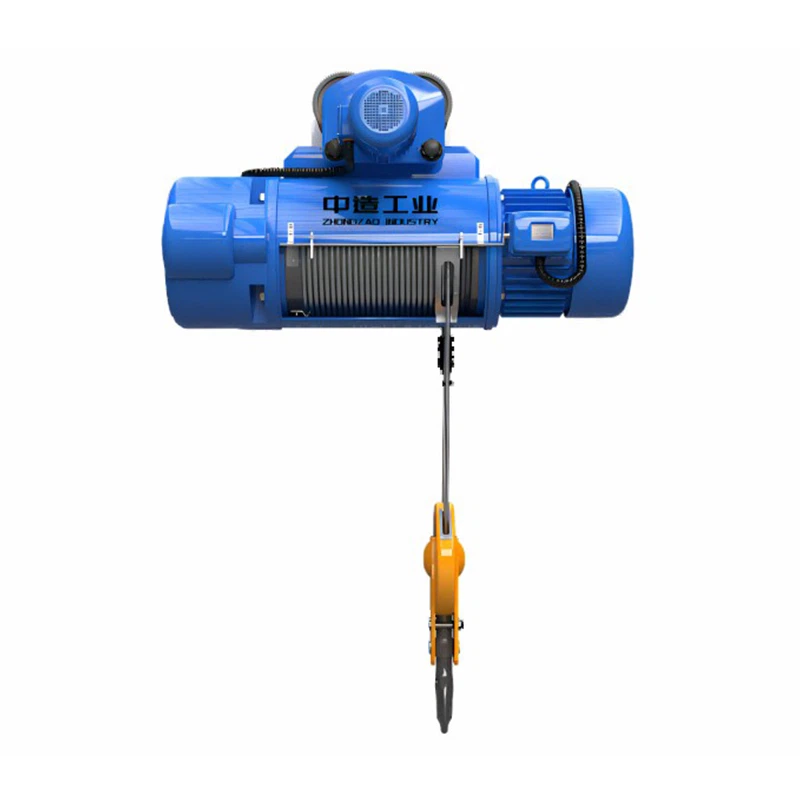
CD and MD Electric Wire Rope Hoist
Model CD1 and MD1 wire rope electric hoist is small-sized lifting equipment, which can be mounted on single beam, bridge, gantry and arm cranes. With slight modification, it can also used as a winch. It is widely used in factories, mines, harbors, warehouse and shops, essential in raising working efficiency and improving working conditions.
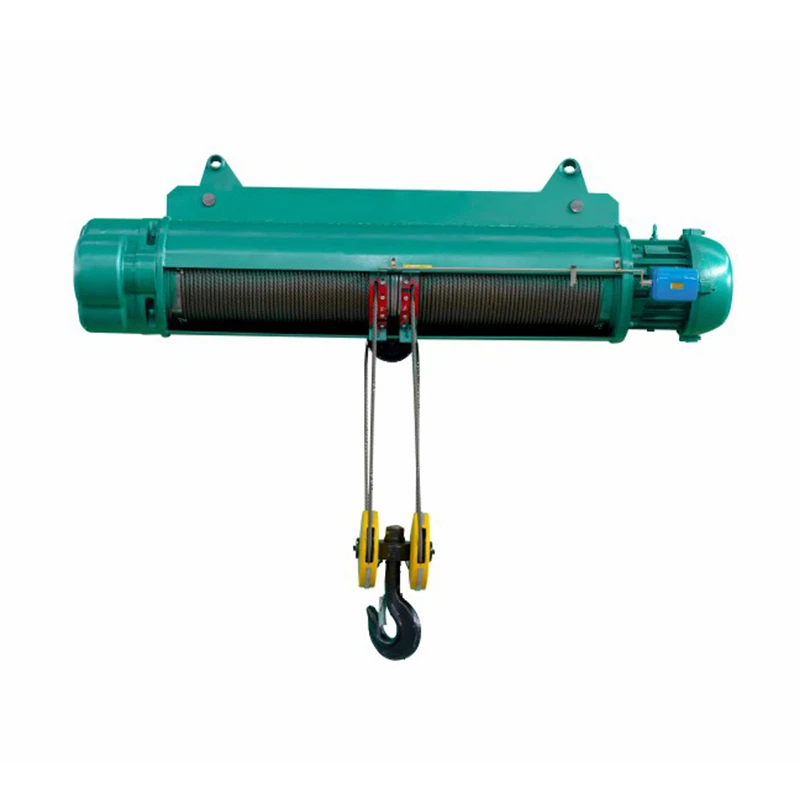
Fixed Electric Wire Rope Hoist
The crane has carried out a number of technical innovation and optimization design on the original basis to improve the performance, safety and reliability of the crane. Through the detailed analysis of the main components of the crane, the working principle and advantages are expounded, which provides a useful reference for the development and application of similar products.

Explosion Proof Electric Wire Rope Hoist
Explosion-proof electric hoist is the explosion-proof lifting equipment designed and manufactured by the latest explosion-proof standard in China. Its explosion-proof form is "explosion-proof type". The exposed explosion-proof parts of the calabash are made of special spark-free materials, and the explosion-proof performance is safe and reliable.

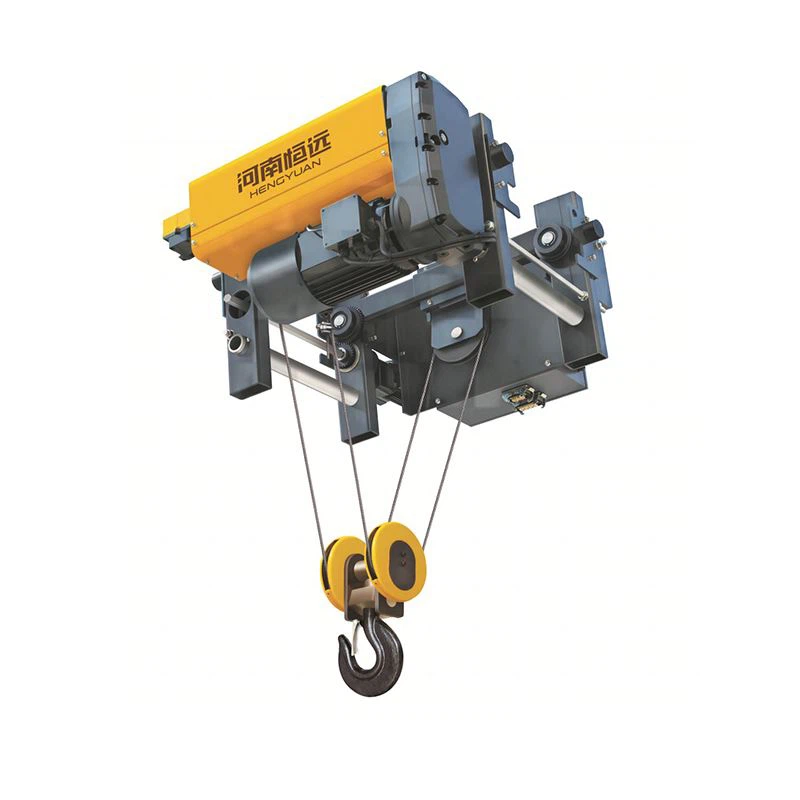
Electric Wire Rope Hoist in Clean Room
It employs motor of hoisting mechanism and reducer imported from Germany. The integrated and compact design of hoisting motor, reducer, reel and limit switch saves space for the user. Modular design increases the reliability of mechanism meanwhile reduces the time and cost for maintaining

European Type Wire Rope Electric Hoist
European electric hoist is a special lifting equipment installed on overhead cranes and gantry cranes. European hoist has the characteristics of small volume, light weight, simple operation, and convenient use, and is used in industrial and mining enterprises, storage terminals, and other places.
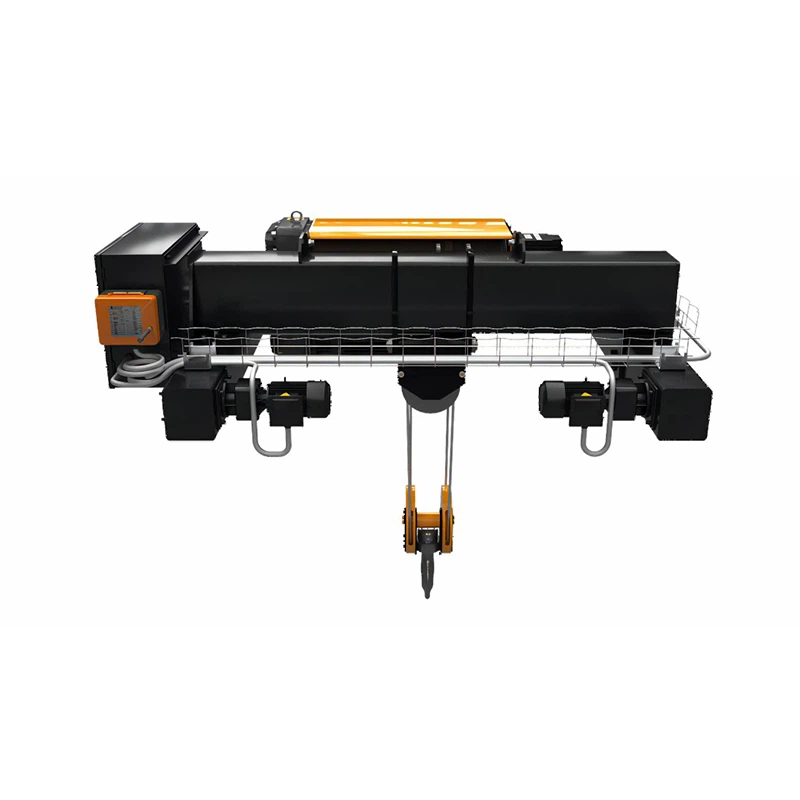
European Type Electric Wire Rope Hoist
Protection grade of electric motor is Grade IP55,and insulation grade is F
Lifting hook group with safety caps
Environment temperature:-20~+40℃

Low Clearance Electric Chain Hoist
Lifting height: as per customer demands
Trolley travel: hook/manual/electric
Ambient temperature: -20℃~45℃

Reducer box+motor +brake three-in-one optimization integration design.The end beam is formed by rectangular steel pipe or welding, which is processed and formed in a single position by CNC machine tool. Steel material Q345B.
Electric hoists are material handling equipment used for lifting, lowering, and transporting materials and products. They are powered by an electric motor and have a controller to adjust the lifting parameters. They are efficient in carrying heavy loads and can perform lifting tasks in which the use of conveyors and cranes is impractical and not feasible. The other types of hoists based on the driving mechanism are the pneumatic hoists (or air hoists), hydraulic hoists, and manual hoists.
Benefits of DHP Electric Chain Hoist
Durable and Reliable
These sophisticated machines are crafted by Chain Pulley Block Manufacturer with top-notch material and precision engineering tactics, making them durable and versatile. These solid and vivid machines can perform daily operational activities of industrial applications, assuring long-term performance and minimal downtime. With proper maintenance and care, DHP electric chain hoists have rendered long-lasting solutions for many years and are considered a worthwhile investment for industries.
Versatility and Adaptability
DHP Electric chain hoist industrial equipment is known for its versatility, and the equipment performs various tasks, including lifting, lowering, or positioning heavy loads. DHP Electric chain hoists have adjustable features and modular design, allowing for customising specific requirements, from precise assembly line work to challenging construction projects. This adaptability and modern design feature of electric chain hoists have become preferable for many businesses where evolving operational needs demand dynamic lifting solutions.
Improved Safety Standards
Safety plays a significant role in industrial applications and DHP DHP electric chain hoists are excellent. It boasts advanced safety features, which include emergency stop mechanisms and overload protection. However, these safety features reduce the risk of injuries and accidents. Moreover, the equipment enclosed design structure reduces the likelihood of entanglement or mishaps caused by external factors. DHP Electric chain hoists mitigate risk and protect property by following strict safety rules, ensuring a safe working environment for operators and onlookers.
Reduce Maintenance Requirements
DHP Electric chain hoists do not require frequent maintenance and care because of their sealed components and fewer moving parts. These parts are durable and less prone to wear and tear. Proper lubrication and routine inspections enhance the lifespan of equipment, increase productivity, and reduce downtime and maintenance costs in the long run. So forth, this is a great deal worth investing every penny for businesses or industries.
Application of DHP Electric Chain Hoist
Manufacturing Facilities
In manufacturing, DHP electric chain hoists are essential for assembling heavy machinery, moving parts through production lines, and maintaining equipment. Their precision and control facilitate smooth operations, minimizing downtime.
01
Construction Sites
DHP Electric chain hoists play a critical role in construction projects, used for lifting building materials, steel beams, and pre-fabricated sections. Their robustness and ability to handle heavy loads make them indispensable on the construction site.
02
Warehousing and Logistics
In warehousing, DHP electric chain hoists are used to load and unload goods, move inventory, and organize storage areas efficiently. Their speed and reliability improve logistics operations, enhancing throughput and storage capacity.
03
Automotive Industry
The automotive sector relies on electric chain hoists for engine installation, vehicle assembly, and parts handling. Their precision ensures components are placed accurately, maintaining high standards of production.
04
Entertainment Industry
DHP Electric chain hoists are also used in the entertainment industry for setting up stages, moving sets, and rigging lighting equipment. Their ability to maneuver loads precisely and safely is crucial in creating dynamic and complex stage setups.
05
Motor
The DHP electric chain hoist is powered by an DHP electric motor. The motor provides the necessary torque and power to lift the load by driving the lifting mechanism.
Chain
The lifting mechanism of the hoist consists of a chain, usually made of steel, that is used to lift and lower the load. The chain is attached to the hoist's lifting hook and is wound around a lifting drum.
Lifting Hook
The lifting hook is the component that directly connects to the load being lifted. It is usually equipped with a safety latch or latch lock to secure the load during lifting.
Lifting Drum: The lifting drum is a cylindrical component around which the chain is wound. The motor drives the lifting drum to raise or lower the load.
Gearbox
The gearbox is a set of gears that help to control the speed and torque of the hoist. It helps to optimize the lifting process and ensures smooth and controlled movement of the load.
Control Panel
The control panel is where the operator can control the hoist's functions. It typically includes buttons or switches for lifting, lowering, and stopping the hoist. Some advanced hoists may also have electronic controls and display panels for precise adjustments and load monitoring.
Brake
DHP Electric chain hoists are equipped with brakes that provide a mechanical lock when the motor is not in operation. The brake helps to prevent unintended movement and ensures the load remains stable and secure during lifting and lowering operations.
Load Chain Collector
Some hoists may have a load chain collector, which is a device that keeps the excess chain neatly stored when the hoist is not fully extended. This feature helps to prevent the chain from becoming tangled or damaged.
Housing/Enclosure
The hoist components are typically enclosed in a sturdy housing made of metal to protect them from external elements and ensure safe operation.
Suspension and Trolley
DHP Electric chain hoists can be suspended from a fixed point or mounted on a trolley that allows horizontal movement along a beam or track. The suspension and trolley system enable the hoist to move the load horizontally as well as vertically.
How to Choose DHP Electric Chain Hoist
Power
One of the most critically important aspects of choosing an electric chain hoist is the power requirements based on the capacity of your hoist. What power is the job site wired to run? If your site is only wired for 120 volts, your choices are limited to lower-capacity hoists. When choosing an electric chain hoist capable of performing heavier lifts (over 2.5 tons), power requirements step up to a minimum of 230 volts but may also be wired for 460 volts. Knowing what your site has available allows you to determine if you will need alternative equipment.
Duty cycle
Once you've addressed the appropriate power requirements, it's essential to consider the duty cycle of the hoist. Many electrically powered pieces of equipment operate with a 25 percent duty cycle. For those unaware, a duty cycle refers to the duration of time equipment can operate within one hour. For instance, an electric hoist with a 25-percent duty cycle can run uninterrupted for 15 minutes before requiring a cool-down period.
Speed
A sometimes-forgotten aspect, and the next thing to consider in conjunction with the above-mentioned duty cycle, is how fast the hoist lifts a load against the height of lift. For example, say you're using a 5-ton hoist and lifting 60 feet in the air. With a lift speed of 11 feet per minute, that means for one lift, you are using just over five minutes of your duty cycle to raise the load. Will you need to make more than three lifts in an hour, or will that meet your needs? If you need more frequent trips, you could add a second hoist or, if possible, step down to a lower-capacity hoist and lessen the load while increasing lifting speed.
Mounting method
Another thing to consider is the style of mount you will require. With both hook tops and trolley tops available-depending on the hoist model-you must ask, which is your best option? For example, suppose you have headroom restrictions and need a trolley for your hoist. In that case, there are hoists designed with a trolley mount top that not only cut down the headroom taken up by the hoist itself but also remove the headroom eaten up by the separate trolley.
Mounting method (weight)
In conjunction with the headroom aspect, electric chain hoists weigh considerably more than their air and hand-operated counterparts. Often, you may find that to mount an electric chain hoist, you need a different hoist just to offset its weight. If you can mount your hoist before being in the air or have additional help already on the job site and prefer or require an electric hoist, then the weight is a non-issue.
Ambient conditions
What does your job site look like? Do you have excessive humidity, dust, dirt, or other pollutants in the air? Can you ensure that the hoist and control pendant remain dry and free of moisture that may cause issues with the electricity? These are all things that can and will affect the performance of an electric chain hoist. If you find that your site may compromise any of the above factors, perhaps there are better equipment options for this project than an electric hoist.
The Lifting Process
At the core of the electric chain hoist's operation is the electric motor, which initiates the lifting process. When the operator commands the hoist to lift a load via the control pendant, the electric motor springs to life. It draws electrical energy, which it converts into mechanical energy. This conversion is crucial for the ensuing steps of the lifting process.
Power Transmission
The mechanical energy from the motor is then transmitted to the gearbox. The gearbox plays a pivotal role in adjusting the motor's high-speed, low-torque output into a more usable form with lower speed but higher torque. This increase in torque is essential for lifting heavy loads, as it provides the necessary force to move the weight upward against gravity.
Chain Movement
With the gearbox adjusting the motor's output, the next step involves the movement of the lifting chain. This chain is looped around a sprocket, which is turned by the output shaft of the gearbox. As the sprocket turns, it pulls the chain, raising the hook-and the load attached to it-towards the hoist. The precision of this movement is governed by the control pendant, which allows the operator to adjust the speed and extent of the lift, ensuring the load is moved to the exact desired location.
Safety Mechanisms
Integral to the hoist's operation are its built-in safety mechanisms. The brake system, for instance, is automatically engaged when the motor is not running, preventing the load from falling back down. This system ensures that the load remains securely in place whenever lifting is halted or in the event of a power failure.Limit switches also play a crucial role in ensuring safe operation. These switches automatically stop the hoist from lifting or lowering once the hook reaches its maximum or minimum allowed height, preventing damage to the hoist and ensuring the safety of the operation.
Conclusion of Operation
Once the load has reached its destination, the hoist's brake system secures the load in place, allowing for safe detachment. The simplicity of the operation belies the sophisticated engineering principles at play, ensuring that electric chain hoists can reliably and safely manage heavy loads in various industrial settings.
How to Maintain DHP Electric Chain Hoist
Regular Inspection and Maintenance
Perform regular inspections of the hoist's components, including the chain, hook, motor, and controls. Look for signs of wear or damage and undertake necessary repairs or replacements to prevent malfunctions.
Lubrication
Keep the chain lubricated to ensure smooth operation and to prevent wear. Follow the manufacturer's recommendations on the type and frequency of lubrication.
Operator Training
Ensure that operators are properly trained in the use and safety features of the electric chain hoist. Understanding how to operate the hoist correctly minimizes the risk of accidents.
Load Capacity Adherence
Never exceed the hoist's rated capacity. Overloading the hoist can lead to equipment failure and poses a serious safety hazard.
Utilize Safety Devices
Always use the provided safety devices, such as emergency stops and hook latches. These features are designed to enhance the safety of operations.
Environmental Considerations
Be mindful of the operating environment. Electric chain hoists should not be used in explosive or corrosive environments unless specifically designed for such conditions.
Henan Zhongzao Industry Co., Ltd has a registered capital of 10 million yuan, which is located in Changyuan City, Henan Province, and we are professional manufacturer and seller of crane accessories.Our main products include crane spreader, crane hook sets, pulley sets, rolling pulleys etc.The company covers an area of 9600 square meters and has R & D technical team with rich practical experience and strong development ability.
Factory pictures


Certificate


FAQ
Q: What precautions should be taken during chain hoist?
Q: How do you maintain an electric chain hoist?
Q: Why is my electric hoist going down but not up?
Q: What are the risks of using a hoist?
Q: What causes a chain hoist to slip?
Q: What is the voltage of an electric hoist?
Q: Can you use a chain hoist at an angle?
Q: When should you not use a hoist?
Q: What is the purpose of the electric hoist?
Q: How long does a chain hoist last?
Q: How long should a hoist be inspected?
Unless there is an 'examination scheme' specifying other intervals, thorough examinations should be conducted every: 6 months, for lifting equipment and any associated accessories used to lift people. 6 months, for all lifting accessories. 12 months, for all other lifting equipment.
Q: What checks must be done before using a hoist and sling?
Q: Which regulations state that a hoist should be checked every 6 months?
Q: What is the difference between a chain hoist and an engine hoist?
Q: What is the duty cycle of a electric hoist?
Q: What is the load chain of an electric hoist?
Q: Why is my electric hoist going down but not up?
Q: What precautions should be taken during chain hoist?
Q: What are hoist safety rules?
Q: What is the voltage of an electric hoist?
Hot Tags: dhp electric chain hoist, China dhp electric chain hoist manufacturers, suppliers, factory, Forged Wire Rope Sheaves, Forged Lifting Hooks, Ship Crane Hook, Crane Hook Sheave, CD and MD Electric Wire Rope Hoist, Electric Chain Hoist


