




What are the installation requirements for a crane end beam in a corrosive environment?
 Aug 28, 2025|
 What are the installation requirements for a crane end beam in a corrosive environment?
As a supplier of Crane End Beams, I understand the critical importance of proper installation, especially in a corrosive environment. Corrosive environments, such as chemical plants, coastal areas, and waste - treatment facilities, pose unique challenges to the longevity and performance of crane end beams. In this blog, I will delve into the installation requirements for crane end beams in such harsh conditions.
1. Material Selection
The first step in ensuring a successful installation in a corrosive environment is choosing the right material for the crane end beam. High - strength steel is a common choice, but in corrosive settings, it needs to be properly protected. Stainless steel is an excellent option as it has inherent corrosion - resistant properties. It contains chromium, which forms a passive oxide layer on the surface, protecting the metal from further corrosion. For less severe corrosive environments, carbon steel with a high - quality anti - corrosion coating can also be used.
When selecting the material, consider the type and concentration of corrosive agents present in the environment. For example, in a chemical plant where there are acids or alkalis, the material must be resistant to chemical attacks. Also, factors like humidity and temperature variations should be taken into account, as they can accelerate the corrosion process.
2. Surface Preparation
Before installation, thorough surface preparation is essential. Any dirt, grease, rust, or mill scale on the surface of the crane end beam must be removed. This can be achieved through methods such as sandblasting or power tool cleaning. Sandblasting is a highly effective method as it not only removes contaminants but also creates a rough surface profile, which improves the adhesion of anti - corrosion coatings.
After cleaning, the surface should be inspected to ensure that it meets the required standards. A clean and properly prepared surface is the foundation for a long - lasting anti - corrosion coating. If the surface preparation is inadequate, the coating may not adhere properly, leading to premature coating failure and subsequent corrosion of the beam.
3. Anti - Corrosion Coating Application
Applying a high - quality anti - corrosion coating is a crucial step in protecting the crane end beam in a corrosive environment. There are different types of coatings available, such as epoxy coatings, polyurethane coatings, and zinc - rich primers.
Epoxy coatings are known for their excellent adhesion, chemical resistance, and durability. They can provide a long - term barrier against corrosion. Polyurethane coatings, on the other hand, offer good weather resistance and abrasion resistance. Zinc - rich primers are often used as a first layer as they provide cathodic protection to the steel.
The coating application process must be carried out carefully. The coating should be applied in the recommended thickness, following the manufacturer's instructions. Multiple coats may be required to achieve the desired level of protection. During application, factors such as temperature, humidity, and ventilation should be controlled to ensure proper curing of the coating.
4. Foundation and Support Installation
The foundation and support for the crane end beam play a vital role in its stability and performance. In a corrosive environment, the foundation materials should also be corrosion - resistant. Concrete foundations can be protected with epoxy or polymer coatings to prevent corrosion caused by chemical seepage.
The support structure, such as columns or brackets, should be properly aligned and securely fixed. Misalignment can cause uneven stress distribution on the crane end beam, which may lead to premature failure. The support materials should be inspected regularly for signs of corrosion and any necessary repairs or replacements should be carried out promptly.
5. Electrical Grounding
In some corrosive environments, electrical grounding is necessary to prevent galvanic corrosion. Galvanic corrosion occurs when two different metals are in contact in the presence of an electrolyte (such as moisture or a corrosive solution). By providing a proper electrical ground, the flow of electrical current between different metals can be controlled, reducing the risk of galvanic corrosion.
The electrical grounding system should be installed according to relevant electrical codes and standards. It should be regularly inspected to ensure its effectiveness.
6. Installation of Sealing and Gaskets
Sealing and gaskets are used to prevent the ingress of corrosive agents into the joints and connections of the crane end beam. High - quality rubber or silicone gaskets should be used, and they should be properly installed to create a tight seal.
Joints and connections are vulnerable areas where corrosion can start. By using effective sealing and gaskets, the risk of corrosion at these points can be significantly reduced. Regular inspection of the gaskets is necessary to detect any signs of damage or deterioration and replace them if needed.
7. Clearance and Alignment
Proper clearance and alignment are essential for the smooth operation of the crane end beam. In a corrosive environment, misalignment can cause additional stress on the beam, which may lead to cracking or deformation. This can also affect the performance of the anti - corrosion coating.
During installation, the crane end beam should be carefully aligned with the rails and other components of the crane system. The clearance between the beam and the surrounding structures should be maintained within the specified limits. This ensures that there is no rubbing or interference, which could damage the coating and expose the beam to corrosion.
8. Regular Inspection and Maintenance
Even with proper installation, regular inspection and maintenance are necessary to ensure the long - term performance of the crane end beam in a corrosive environment. Inspections should be carried out at regular intervals to check for signs of corrosion, coating damage, and structural integrity.
Any areas of corrosion or coating damage should be repaired immediately. This may involve cleaning the affected area, reapplying the coating, or replacing damaged components. Maintenance also includes lubricating moving parts, checking electrical connections, and ensuring that the sealing and gaskets are in good condition.
In conclusion, installing a crane end beam in a corrosive environment requires careful consideration of various factors. From material selection to regular maintenance, each step is crucial in ensuring the safety and longevity of the beam. At our company, we offer high - quality Crane End Beam that are suitable for a wide range of environments, including corrosive ones. We also provide professional advice on installation and maintenance to help our customers get the most out of our products.
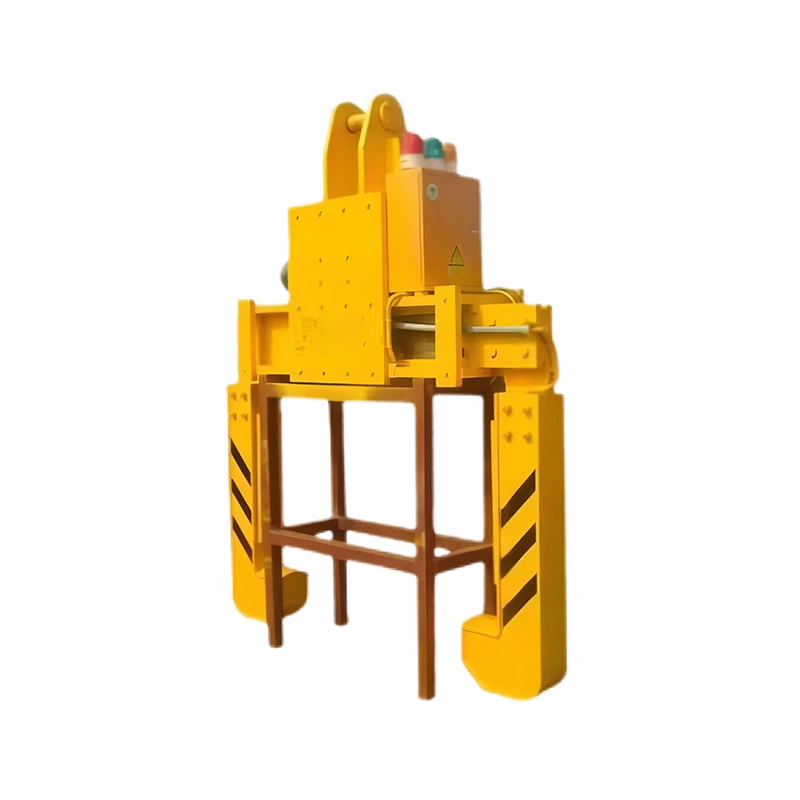
If you are in need of a reliable crane end beam or other lifting equipment, such as Steel Coil Lifting Tong With Folding Claws For Sale or Horizontal Coil Grabs, please feel free to contact us for more information and to discuss your specific requirements. We are committed to providing the best solutions for your lifting needs.
References
- ASTM International. (2023). ASTM standards related to corrosion - resistant materials and coatings.
- Crane Manufacturers Association of America. (2022). Guidelines for crane installation and maintenance.
- National Association of Corrosion Engineers (NACE). (2023). Corrosion prevention and control in industrial environments.