




What are the installation difficulties of a large - scale crane end beam?
 Nov 12, 2025|
 Hey there! As a supplier of crane end beams, I've seen firsthand the challenges that come with installing large - scale crane end beams. It's not a walk in the park, and in this blog, I'm gonna break down some of the major installation difficulties you might face.
1. Transportation and Handling
One of the first hurdles we encounter is getting the end beams to the installation site. Large - scale crane end beams are massive and heavy. Transporting them requires specialized equipment and careful planning. You can't just load them onto any truck. We need flatbed trailers with the right weight - bearing capacity and proper securing mechanisms to prevent the beams from shifting during transit.
Even when they arrive at the site, handling these behemoths is no easy feat. Forklifts or small cranes often won't cut it. We usually have to use large mobile cranes to lift and move the end beams into position. And let me tell you, positioning them accurately is crucial. A small misalignment can lead to big problems down the line. For instance, if the end beam isn't placed at the right height or angle, it can cause uneven stress on the crane structure, which might result in premature wear and tear.
2. Foundation Preparation
The foundation is the backbone of any crane installation. For large - scale crane end beams, a solid and level foundation is non - negotiable. Before installation, we have to conduct a detailed site survey to determine the soil conditions. If the soil is too soft or unstable, we might need to carry out ground improvement work like soil compaction or installing piles.
Even after the ground is prepared, achieving the right levelness is a challenge. The end beams need to be installed on a surface with a very low tolerance for unevenness. A difference of just a few millimeters can affect the crane's operation. We often use laser levels and other precision measuring tools to ensure the foundation meets the required specifications. If the foundation isn't right, the end beams won't sit properly, and the crane might not function as intended.
3. Alignment and Assembly
Aligning the end beams with the rest of the crane structure is a delicate process. There are multiple factors to consider, such as the parallelism between the two end beams and their alignment with the runway rails. Any misalignment can cause the crane to run off - track, leading to increased friction, noise, and potential safety hazards.
When it comes to assembling the end beams with other crane components, things get even more complicated. We have to make sure all the bolts are tightened to the correct torque. If the bolts are too loose, the connection might come apart during operation. On the other hand, over - tightening can damage the components. We use torque wrenches to ensure accurate tightening, but it still requires a lot of attention to detail.
4. Electrical and Control System Integration
Modern large - scale cranes are equipped with sophisticated electrical and control systems. Integrating these systems with the end beams can be a real headache. The wiring has to be carefully routed to avoid interference and ensure proper functioning. We need to make sure that all the sensors, limit switches, and control panels are correctly connected and calibrated.
Any electrical issues can cause the crane to malfunction. For example, a faulty sensor might not detect the end beam's position accurately, leading to collisions or improper operation. And debugging electrical problems can be time - consuming and frustrating, especially when dealing with complex systems.
5. Safety Regulations and Permits
Installing large - scale crane end beams is subject to a whole bunch of safety regulations and permit requirements. We have to comply with local, state, and national safety standards. This means obtaining the necessary permits before starting the installation work. The permitting process can be long and bureaucratic, involving multiple inspections and paperwork.
During the installation, we also have to follow strict safety protocols. Workers need to wear appropriate personal protective equipment (PPE), and the work area has to be properly secured. Any violation of safety regulations can result in fines, delays, or even legal issues.
6. Weather Conditions
Weather can play a major role in the installation process. Extreme heat, cold, rain, or wind can all affect the work. For example, in hot weather, the metal components of the end beams can expand, which might affect the alignment. In cold weather, the bolts can become brittle, increasing the risk of breakage during tightening.
Rain can make the work area slippery and damage the electrical components. And strong winds can make it dangerous to use cranes for lifting and positioning the end beams. We often have to monitor the weather forecast closely and plan the installation work accordingly. Sometimes, we might have to pause the work due to adverse weather conditions, which can cause delays and increase costs.
Our Solutions
As a crane end beam supplier, we're not just here to sell products. We also offer comprehensive support to help our customers overcome these installation difficulties. We have a team of experienced engineers who can provide on - site installation guidance. They'll make sure the end beams are installed correctly from start to finish.

We also offer training programs for the installation and maintenance staff. This helps them understand the proper installation procedures and how to troubleshoot common problems. And of course, we provide high - quality crane end beams that are designed to meet the highest standards.
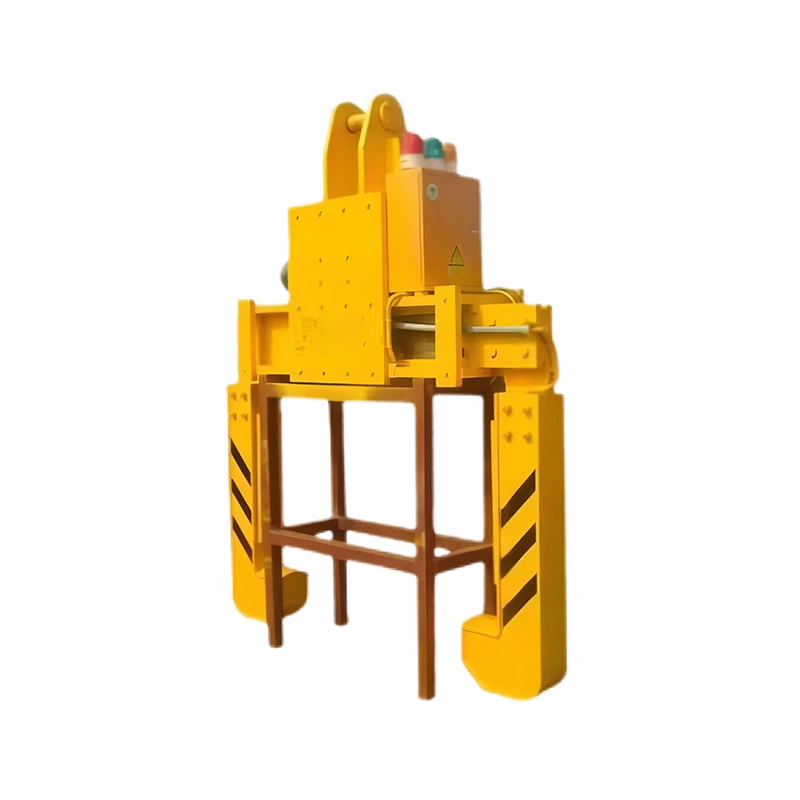
If you're in the market for crane end beams or other lifting equipment, we've got you covered. Check out our Hot Sale End Beam For Crane. We also have other great products like the Steel Coil Lifting Tong With Folding Claws For Sale and the Roll Lifting C Hook.
If you have any questions or want to discuss your specific requirements, don't hesitate to reach out. We're always happy to help you with the procurement process and ensure a smooth installation.
References
- Crane Installation Handbook, Industry Standard Publications
- Safety Guidelines for Large - Scale Crane Installations, National Safety Council