




Are there any requirements for the surface finish of crane accessories?
 Jul 31, 2025|
 As a supplier of crane accessories, I often encounter inquiries from customers regarding the requirements for the surface finish of these components. Surface finish is a critical aspect that can significantly impact the performance, durability, and aesthetics of crane accessories. In this blog post, I will delve into the various requirements for the surface finish of crane accessories and explain why they matter.
The Importance of Surface Finish
The surface finish of crane accessories is not merely about appearance; it plays a crucial role in ensuring the proper functioning and longevity of the equipment. A smooth and uniform surface finish can reduce friction, prevent corrosion, and enhance the overall performance of the crane. Additionally, a high-quality surface finish can improve the safety of the crane by reducing the risk of wear and tear, which can lead to mechanical failures.
Factors Affecting Surface Finish Requirements
Several factors influence the surface finish requirements of crane accessories. These include the type of crane, the operating environment, the material of the accessory, and the intended use of the equipment.
Type of Crane
Different types of cranes have varying surface finish requirements. For example, overhead cranes that operate in industrial environments may require a more robust surface finish to withstand harsh conditions, such as exposure to chemicals, dust, and moisture. On the other hand, mobile cranes that are used in construction sites may need a surface finish that provides good resistance to abrasion and impact.
Operating Environment
The operating environment is a significant factor in determining the surface finish requirements of crane accessories. Accessories used in outdoor environments, such as ports and shipyards, are exposed to weather elements, including rain, sunlight, and saltwater. In such cases, a surface finish with high corrosion resistance is essential to prevent rust and degradation. In contrast, accessories used in indoor environments may require a surface finish that is more focused on aesthetics and ease of cleaning.
Material of the Accessory
The material of the crane accessory also plays a role in determining the surface finish requirements. Different materials have different properties and characteristics, which can affect the choice of surface finish. For example, steel accessories may require a surface finish that provides protection against corrosion, while aluminum accessories may need a surface finish that enhances their appearance and durability.
Intended Use of the Equipment
The intended use of the crane accessory is another important consideration. Accessories that are used for lifting heavy loads may require a surface finish that can withstand high stress and pressure. In contrast, accessories that are used for lighter loads or in less demanding applications may have less stringent surface finish requirements.
Common Surface Finish Requirements
Based on the factors mentioned above, there are several common surface finish requirements for crane accessories. These include corrosion resistance, abrasion resistance, smoothness, and aesthetics.
Corrosion Resistance
Corrosion is a major concern for crane accessories, especially those used in outdoor or harsh environments. A surface finish with high corrosion resistance can prevent rust and degradation, which can extend the lifespan of the accessory and reduce maintenance costs. Common methods for achieving corrosion resistance include painting, galvanizing, and powder coating.
Abrasion Resistance
Crane accessories are often subjected to abrasion and wear during normal operation. A surface finish with high abrasion resistance can prevent damage to the accessory and ensure its long-term performance. Methods for improving abrasion resistance include hardening the surface, applying a wear-resistant coating, or using materials with high hardness.
Smoothness
A smooth surface finish is essential for crane accessories to reduce friction and ensure smooth operation. A rough surface can cause increased wear and tear, as well as reduce the efficiency of the crane. Methods for achieving a smooth surface finish include machining, grinding, and polishing.
Aesthetics
In addition to functionality, the aesthetics of crane accessories can also be important, especially in applications where the equipment is visible to the public. A high-quality surface finish can enhance the appearance of the accessory and give it a professional and polished look. Common methods for improving aesthetics include painting, powder coating, and anodizing.
Specific Surface Finish Requirements for Different Crane Accessories
Different crane accessories may have specific surface finish requirements based on their design and function. Here are some examples:
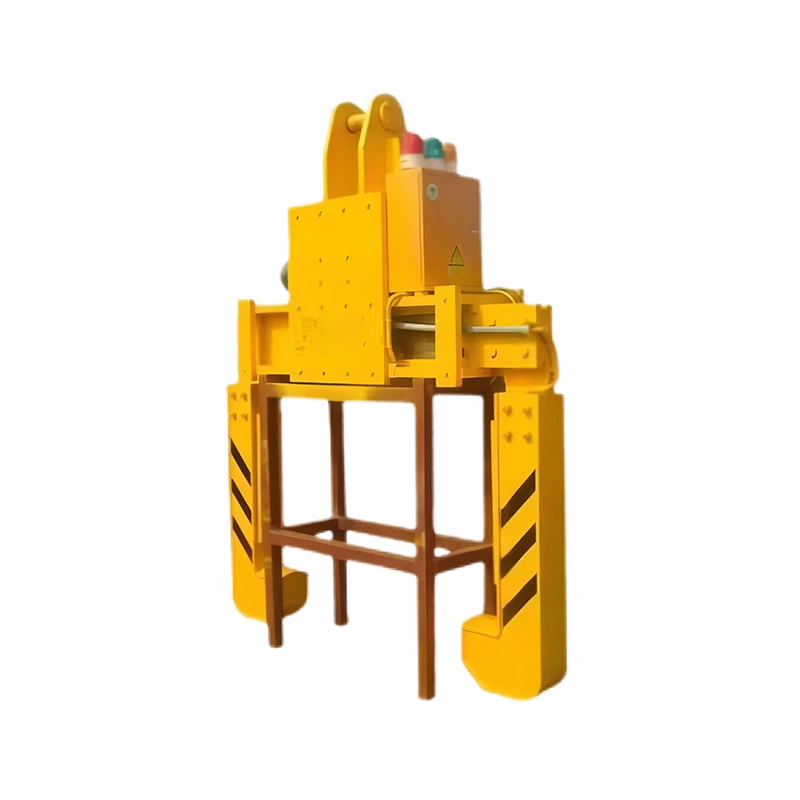

Crane End Beam
Crane end beams are an important part of the crane structure, and they are often subjected to high stress and pressure. A surface finish with high corrosion resistance and abrasion resistance is essential to ensure the long-term performance of the end beam. Additionally, a smooth surface finish can reduce friction and improve the efficiency of the crane.
Steel Coil Lifting Tong With Folding Claws For Sale
Steel coil lifting tongs are used for lifting and transporting steel coils. The surface finish of the lifting tongs should provide good resistance to abrasion and corrosion to prevent damage to the coils and ensure the safety of the lifting operation. A smooth surface finish can also reduce the risk of scratching the coils.
Hot Sale End Beam For Crane
Hot sale end beams are designed to meet the high demand for crane accessories. These end beams should have a surface finish that is both durable and aesthetically pleasing. A high-quality surface finish can enhance the appearance of the end beam and make it more attractive to customers.
Conclusion
In conclusion, the surface finish of crane accessories is a critical aspect that can significantly impact their performance, durability, and aesthetics. When choosing a surface finish for crane accessories, it is important to consider factors such as the type of crane, the operating environment, the material of the accessory, and the intended use of the equipment. By selecting the appropriate surface finish, you can ensure the long-term performance and reliability of your crane accessories.
If you are in the market for high-quality crane accessories with the right surface finish, please feel free to contact us. We are a leading supplier of crane accessories, and we can provide you with a wide range of products that meet your specific requirements. Our team of experts can also help you choose the best surface finish for your application. Contact us today to start a procurement discussion.
References
- Machinery's Handbook, 31st Edition
- ASME B30.20 - Below-the-Hook Lifting Devices
- ASTM International Standards on Surface Finish